
Solo Female Travel Tips: The First-Timer’s Guide I Wish I’d Had
It was 2015, my first solo trip.
I lost my phone at Versailles.
Or I thought I did.
I’d spent the morning wandering the Hall of Mirrors (which still lives rent-free in my head), and on the way back to the train, I ducked into a gift shop. I walked out, reached for my phone, and it was gone.
So I ran back in, missed a step, and went flying into the shop. Nearly took out an entire display of trinkets. Then I interrogated the poor cashier in my toddler-level French. He hadn’t seen it.
I walked out devastated, shoved my hands into my jean jacket pockets, and there it was. The whole time.
That’s solo travel in a nutshell. Things go sideways, nobody’s there to tell you to check your pockets, and you figure it out anyway. This is everything I wish someone had told me before that trip.
Should You Actually Travel Solo?
Yes. If you’re reading this, you’ve already thought about it more than most people who never go.
Solo travel means your itinerary is 100% yours. You eat when you’re hungry, skip the museum you don’t care about, and spend three hours at the one you love without anyone sighing behind you. You also learn very quickly that you’re more capable than you thought.
The honest downsides:
- Nobody watches your bag while you run to the bathroom
- Every decision is yours, including the bad ones
- Some nights get quiet, and that can feel weird at first
None of those are dealbreakers. They’re just things to plan around, and this guide covers them all.
Signs you’re ready: you can navigate your own city’s transit, you’re okay asking strangers for directions, and the idea of a whole day with no plans sounds more exciting than scary. Even if it’s a little of both.
For me, the jump wasn’t that big. I was living in San Francisco at the time, so riding transit alone, walking everywhere, and reading a street at night were already part of my normal week. London and Paris just felt like bigger, older versions of what I did at home. If you already live in a city, you’re more prepared than you think. If you don’t, pick a first destination with great transit and give yourself a day to find your footing.
How to Pick Your First Solo Destination
Your first solo trip isn’t the time to prove anything. Pick a place with easy logistics so you can focus on enjoying it.
What to look for
- Walkability. If you can get around on foot, you’ll feel in control.
- Good public transit. Subways and trains beat negotiating taxis in a language you don’t speak.
- A language you can fake. English, or a language where you know enough to order food and ask for help.
- Lots of other tourists. Not glamorous, but it means signage, help, and people around.
- A food culture that works for one. Counter seating, market stalls, cafes.
My pick: start easy, then stretch
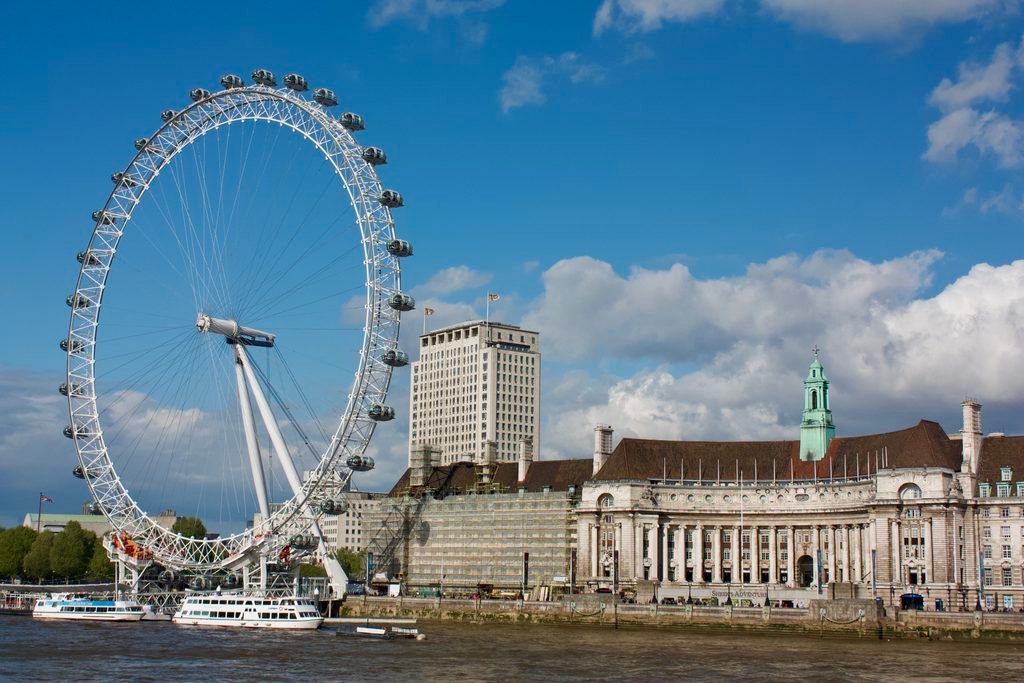
My first solo trip was London and Paris, and in hindsight that order was perfect. London is about as easy as it gets for an English speaker. Same language, great transit, and everyone queues politely. Paris turned up the difficulty with a language barrier (hello, toddler-level French), but the Metro makes it very manageable.
That’s the formula I’d recommend: one city where you feel comfortable, then one that stretches you a little.
Other first-timer picks I’d stand behind:
- Tokyo. Spotless, safe, and the trains run like clockwork.
- Mexico City. Huge, but the neighborhoods like Roma and Condesa are walkable and easy to settle into. Check out my Mexico City guide.
The training-wheels option: meet a friend halfway
After London and Paris, I met up with a friend studying abroad in Barcelona, and we did Madrid together. If a full solo trip feels like too much, this is the move. Go alone for the first leg, then link up with someone. You get the solo confidence boost without two straight weeks of being on your own.
Where I’d skip for trip #1: Hanoi
I loved Vietnam. I would not send a first-timer to Hanoi.
On day one, I was legit terrified to cross the street. The scooters and cars don’t stop for you. You have to time it, step out, and keep moving at a steady pace while traffic slows and flows around you. It works, but it’s a lot when you’re already jet-lagged and figuring everything out alone.
Go to Vietnam. Just make it your second or third solo trip, once you’ve built up some confidence.
Where to Stay as a Solo Female Traveler
My rule is simple: stay as close as possible to the things you actually want to see. If I can walk to most of my list, I’m happy. That’s worth paying a little more for, because it saves you late-night transit, expensive cabs, and the stress of figuring out how to get home after dark.
What to look for
- Walking distance to your top attractions and a transit stop
- A 24-hour front desk, or at least a reliable way to reach the host
- Recent reviews from other solo women (search reviews for “solo” or “alone”)
- A well-lit street, not a quiet back alley
- Female-only dorms if you’re going the hostel route
Hostel vs. hotel vs. Airbnb
| Best for | Watch out for | |
|---|---|---|
| Hostel | Meeting people, tight budgets | Noise, shared bathrooms, sketchy lockers |
| Hotel | Security, a front desk, zero surprises | Price, less social |
| Airbnb | Longer stays, a kitchen, local neighborhoods | No front desk, check-in issues, listings that don’t match the photos |
My rule: when hotels are too pricey, and I don’t want to spend multiple nights in a hostel, I book an Airbnb.
My hostel era (and why it’s over)
My London hostel was all-female, and it was great. My Paris hostel was mixed. Even with the age limits, I ended up sharing a room with what I’m pretty sure was a 60-year-old man, who woke me up one morning by singing. Not humming. Singing.
These days I skip hostels because I’m picky about my sleep. The exception is a one-night stop in an expensive city like Singapore, where a hostel bed saves real money.
If you go the hostel route, read the reviews like it’s your job. Look for female-only dorms, figure out what the age limit actually means in practice, and know exactly what you’re getting into before you book. For a first trip, a hotel or a hostel private room is the safer bet.
Red flags in a listing
- Vague location (“close to downtown” with no map pin)
- No reviews, or only reviews from years ago
- Reviews that mention the area feeling unsafe at night
- Self check-in with a lockbox and no backup contact
Solo Travel Do’s
- Share your itinerary and your location. I share my live location with family the whole trip. It costs nothing, and it’s the easiest peace of mind you’ll ever buy.
- Arrive in daylight on day one. Finding a new place in the dark, tired and alone, is how small problems turn into big ones.
- Head back by sunset or 10pm. I make my way back to my room once the sun goes down or by 10pm, whichever comes first. You can loosen up on later trips, but on your first one, daylight is your friend.
- Keep it to one drink per stop. I never have more than one at lunch or dinner. When you’re the only one looking out for you, you want your wits intact.
- Book group outings. Solo doesn’t mean alone the whole time. Tours are the easiest way to meet other travelers (more on that below).
- Plan around your must-do, book the rest last minute. If there’s one thing I really want to do, I lock it in and build around it. I book everything else the day before or the day of. Plans change, and you learn to roll with it.
- Get an eSIM before you land. I use Holafly. You step off the plane with data, maps, and a way to call home. With unlimited plans now, I can actually call my family if something comes up, which wasn’t a thing in 2015.
- Download Google Translate and offline maps. Translate has saved me more times than I can count, especially when a situation gets complicated and my toddler French isn’t cutting it.
- Treat yourself to one good meal a day. It’s the best habit I picked up on that first trip.
- Check your pockets before you panic. Ask me how I know.
Solo Travel Don’ts
- Don’t announce you’re alone. Not to strangers, not in real-time posts. Post the photos after you’ve left the spot.
- Don’t overschedule. Lock in the thing you came for and leave the rest open. You’ll be more tired than you expect, and the best afternoons usually aren’t on the itinerary.
- Don’t ignore your gut to be polite. If someone or something feels off, leave. You don’t owe anyone an explanation.
- Don’t keep everything in one bag. Split your cards and cash. One in your bag, one on you, one back at the room.
- Don’t buy insurance without reading the fine print. The one time I bought flight insurance for Egypt, it was a total waste. The airline moved my flight with several days’ notice, which didn’t count, and I ended up paying out of pocket for a separate flight anyway. I’ve never bought travel insurance, and so far medical care abroad hasn’t been the nightmare people warn you about. In Peru, a friend I was traveling with twisted her ankle. The medical center took care of her right away, and the bill was negligible compared to what it would have been in the US. If you do buy coverage, know exactly what triggers a payout before you hand over your money.
- Don’t make Hanoi your first stop. I say this with love.
Safety Without the Paranoia
Most of solo travel safety is the same street smarts you use at home. You just have to switch them on in a place where you don’t know the map yet.
Two times I got uneasy
In Paris, I walked to the Moulin Rouge and didn’t realize my route went straight through the red light district. I got catcalled, and I started paying closer attention to who was walking toward me.
Nothing happened. But it was a wake-up call that a famous attraction doesn’t mean a comfortable walk to get there. Now I check the route, not just the destination. If a walk passes through an area I don’t know, I look it up first or grab a cab for that stretch.
The second time was more recent, in Istanbul. I was wandering through the gardens midday, taking in the scenery, when the energy shifted. A man walked up next to me, matching my stride, and stared. He walked right beside me; his entire neck was turned toward me, and his eyes didn’t move. (We’ve all seen Taken.)
My instincts kicked in, but I played it cool. When the path split, I stopped. He clearly didn’t expect that, so he stopped too and sat on the nearest bench. I walked up a little hill pretending to take a picture, keeping him in the corner of my eye. The second he looked away, I booked it back the way I came. I walked so fast my shins hurt.
Once I thought I was out of sight, I sat down in shock for a bit. I went back to my room and stayed there, rattled, for the rest of the day. I only left to get dinner.
What I took from it: that energy shift is real, so trust it. Changing your pace or direction is a quick way to tell whether someone is actually following you. And it’s okay to call it a day. Losing an afternoon is nothing compared to ignoring your gut.
Habits that actually help
- Never say you’re traveling solo. Honestly, most people don’t ask anyway.
- Check the route, not just the destination. Paris taught me that one.
- Head back by sunset or 10pm, whichever comes first.
- Share your live location with someone at home for the whole trip.
Apps I actually use
| App | What I use it for |
|---|---|
| Google Maps | Navigation, plus offline maps for spotty areas |
| Holafly | eSIM data the second I land |
| Coordinating with local tour guides | |
| Location sharing | Family can see where I am the whole trip |
| Google Translate | Menus, signs, and conversations that get complicated |
And honestly, a lot of plain Google searching. Opening hours, neighborhood safety, “is this a scam?”
The scam that almost got me
I was in India for work one year and had a free day to explore. My tuk-tuk driver noticed I was alone and decided I needed to see some “good shopping spots.” They weren’t cheap, and it didn’t take long to realize they were tourist traps.
I asked him to take me where I’d originally wanted to go. He insisted on one more of his spots. Then another. By the second or third, I’d reached my limit and demanded to be dropped off. I paid him and wore my best resting bitch face the rest of the ride.
Sometimes RBF is what saves you. Be polite, be clear, and the second someone stops listening, stop being polite.
How to Not Feel Lonely (and Why Eating Alone Is Underrated)
That first trip is where I started my “treat yourself” rule: one genuinely good meal a day, usually dinner. Breakfast and lunch could be a croissant on the go. Dinner was the event.
And eating alone never felt awkward to me. I love people watching, and a restaurant table is basically front-row seating. If table-for-one makes you nervous, bring a book or journal for the first night. By the second, you won’t need it.
Other ways to stay connected:
- Book group outings. Walking tours, food tours, day trips. Solo traveling doesn’t mean you’re alone the entire time. You’ll meet other travelers, and sometimes you keep running into the same people around the city.
- Use WhatsApp to book local tours. Smaller guides often work this way, and it’s an easy way to find something more personal than a big bus tour.
- Check hostel events, even if you’re not staying there. Many are open to anyone.
- Call home. Seriously. A ten-minute call on a quiet night does more than you’d think.

Your First Solo Trip Checklist
- Passport valid for 6+ months, plus a photo of it saved to your phone and cloud
- Itinerary shared with someone at home
- Live location sharing turned on
- eSIM installed and tested before you fly
- Offline maps downloaded for each city
- Google Translate downloaded with your destination’s language for offline use
- First two nights booked, arriving in daylight
- Hotel address saved in the local language
- Your one must-do booked, everything else left flexible
- Cards and cash split across two places
- Insurance fine print read (if you’re buying any)
- Bank notified of travel dates
- Local emergency number and embassy address saved
Solo Female Travel FAQ
Yes, in most popular destinations, with the same street smarts you’d use at home. Stay in well-reviewed, central neighborhoods, share your location with someone you trust, check walking routes before you go, and trust your gut. Most issues solo travelers run into are petty theft and scams, not danger.
Pick somewhere walkable, with good public transit and a language you can manage. London, Tokyo, and Mexico City are all great first solo destinations. I’d save places with chaotic traffic or a steeper learning curve, like Hanoi, for your second or third trip.
It depends on how far you’re traveling and how many days off you have. A long-haul flight deserves a longer trip. I usually go for about two weeks to make the travel time worth it. My first solo trip was two weeks too, with a friend joining for the second half.
Book a walking or food tour in the first two days, eat at counters or bars where conversation happens naturally, and check hostel events even if you’re staying elsewhere. A quick call home on quiet nights helps more than you’d expect.
Google Maps with offline maps, Google Translate, WhatsApp, an eSIM app like Holafly, and live location sharing with family. That combo covers navigation, communication, and peace of mind.
My Take
The hardest part of your first solo trip is booking it. Once you’re there, you’ll figure it out, usually faster than you expect, and sometimes after nearly wiping out a gift shop display.
So pick the easy city. Book the first two nights. Treat yourself to dinner. And check your pockets.
For more first-timer-friendly destinations, follow along on TikTok for what doesn’t make it to the blog.